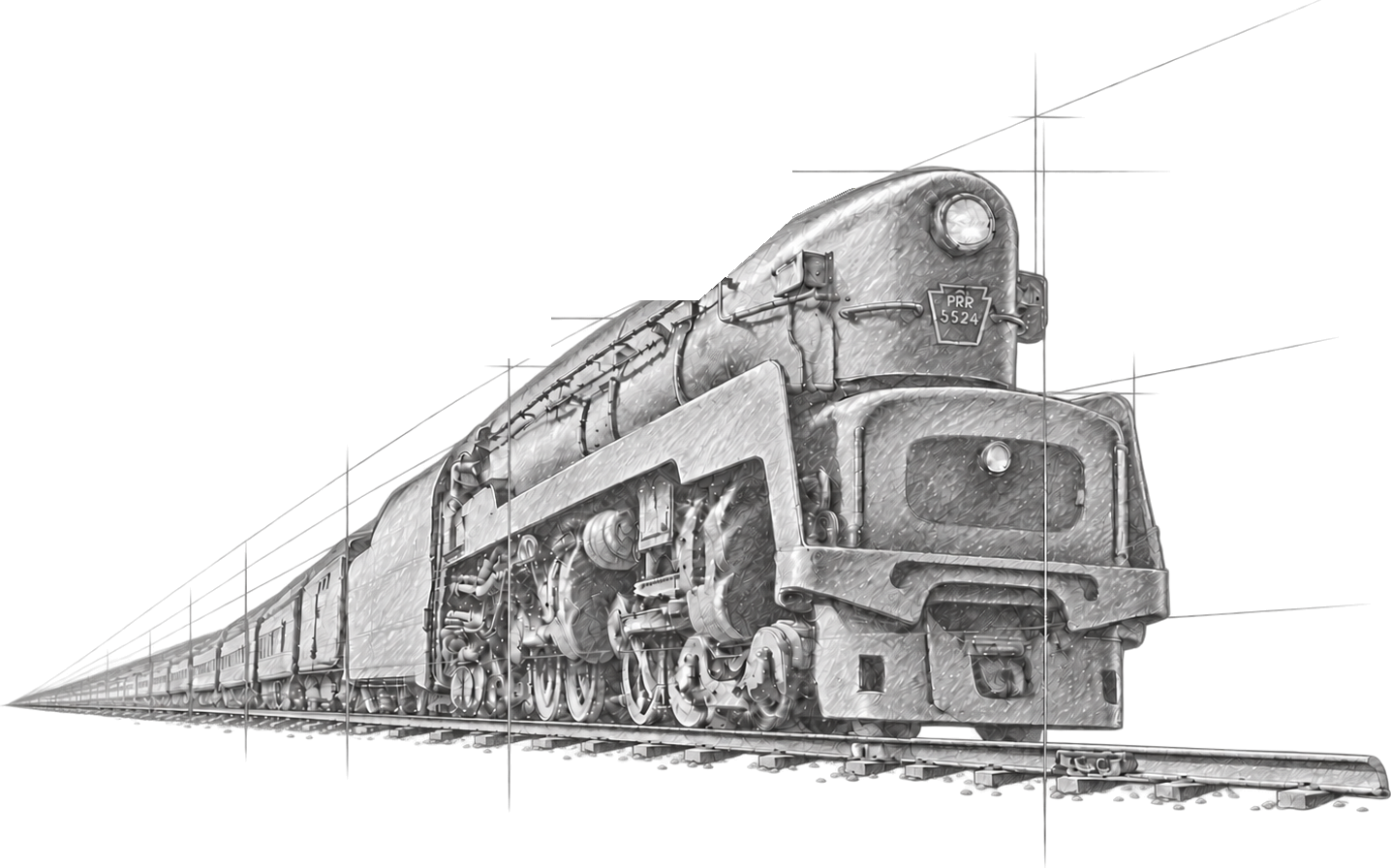
Study the real car
Historic photographs and engineering references guide the proportions, structure, and hardware.
 Void Foundry
TRAINS
Historic railroad equipment · HO scale
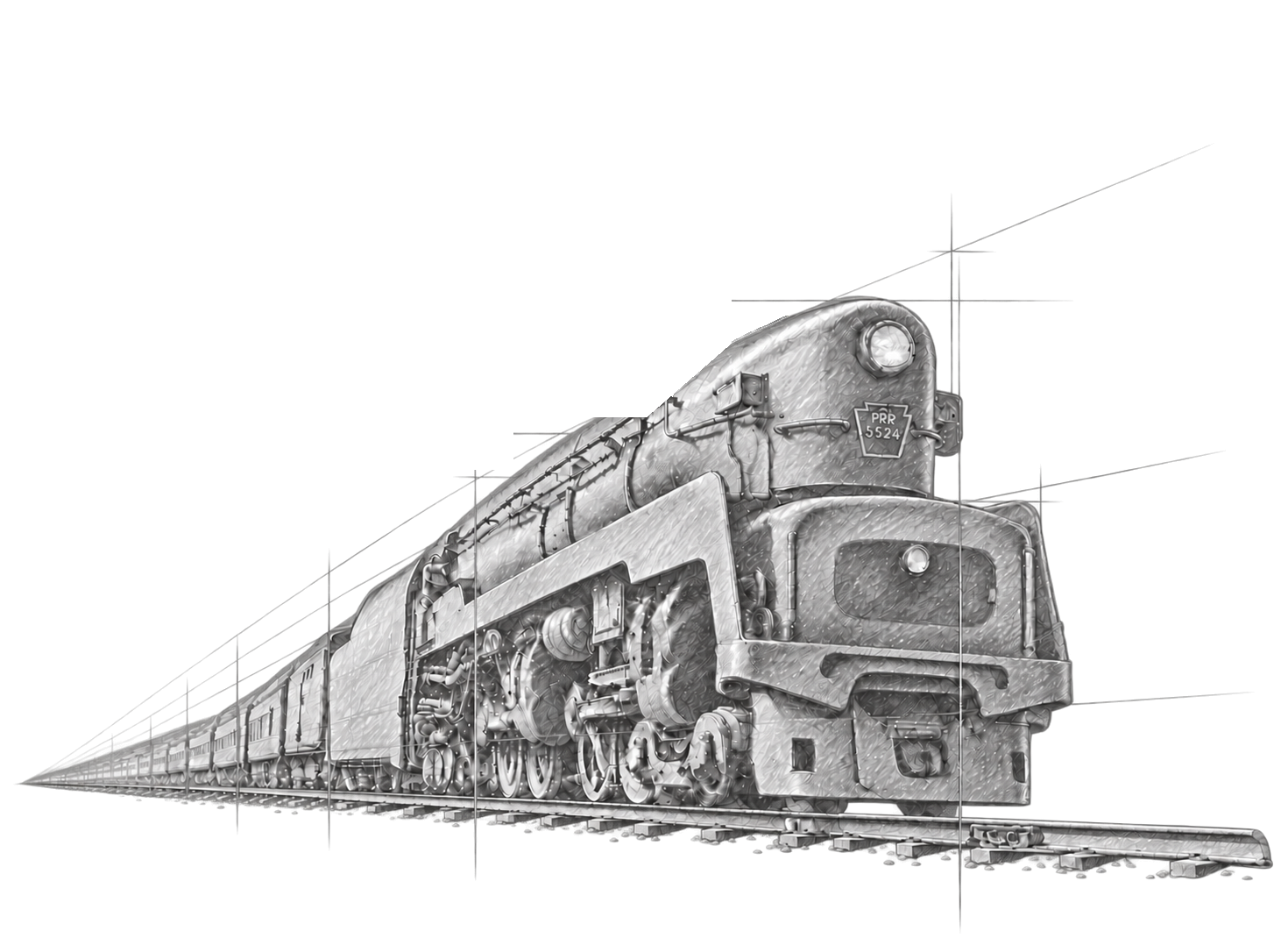
Freight cars shaped by the real thing. Void Foundry Trains brings the character of historic railroad equipment to the HO-scale layout.
Void Foundry Trains
Void Foundry Trains was formed around a challenge modelers know well: historically accurate resin kits can be difficult to assemble and detail. As a modeler, I wanted to make resin kits more user-friendly without giving up exquisite prototype detail.
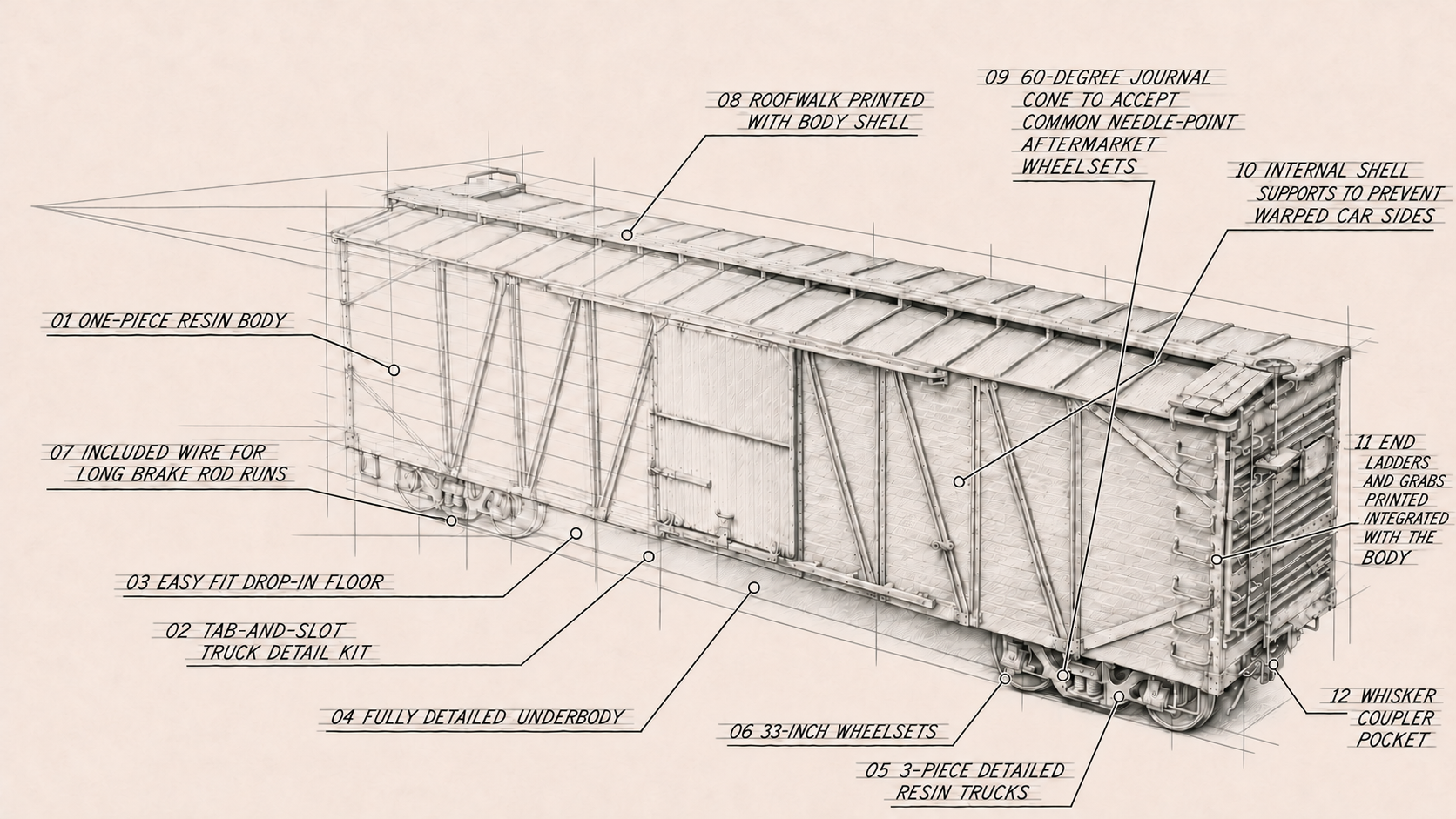
Our kits are designed for about 15–20 minutes of assembly with minimal cleanup. Locating tabs or keys on every separately installed part help make placement clear. Details come directly from prototype plans and historic photographs.
We aim to offer a more affordable alternative to comparable ready-to-run products, with coupler and wheelset interfaces compatible with mainstream manufacturers.
Back to the top ↑When kits are ready
If you’d like to know when Void Foundry kits become available, leave your address. We’ll only write when there’s something you can order.
The opening project
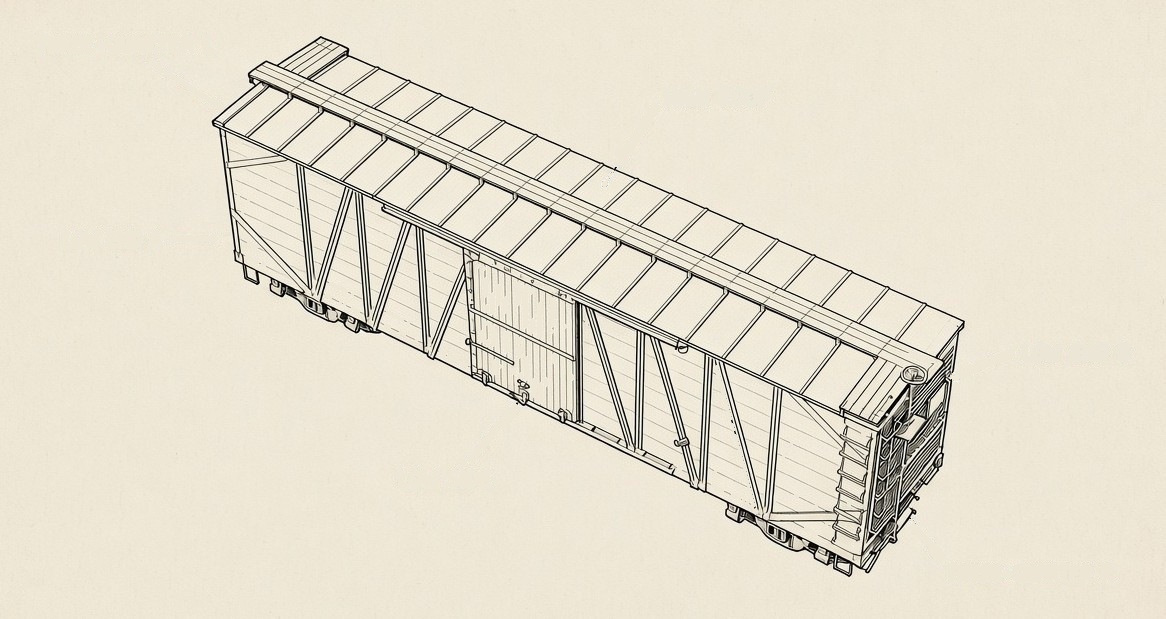
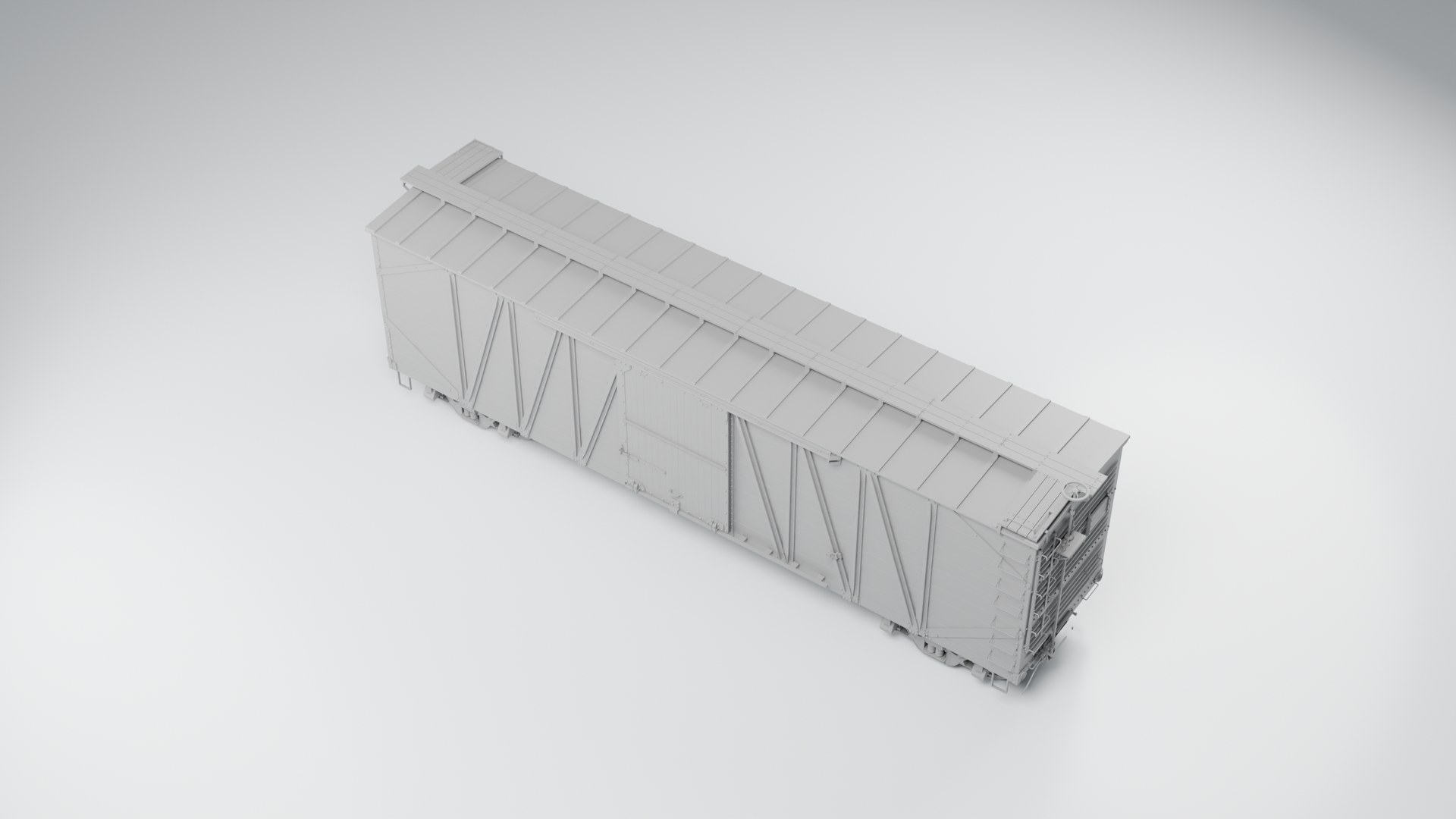
A single-sheathed 40-foot boxcar, developed from historic railroad references for the HO-scale workbench.
The first Void Foundry project takes its cues from the sturdy wood-sided freight cars that moved across American railroads in the steam era.
The design dates to 1918, when the United States Railroad Administration issued standard freight-car drawings during federal control of the nation’s railroads. The single-sheathed boxcar was a 40-foot, 50-ton car with a steel frame, outside steel posts and braces, and horizontal wood sheathing. About 25,000 were built and assigned to railroads across the country. The Pennsylvania Railroad received the largest share and classed them X26—nearly ten thousand cars, including assignments to the Long Island Rail Road, the Grand Rapids & Indiana, and the New York, Philadelphia & Norfolk.
As built they had wood sliding doors, K-type air brakes, and a vertical brake staff. In later years many received steel doors and new roofs, and their original K brakes were replaced with AB equipment; the Pennsylvania kept the vertical staff on most cars. Between 1945 and 1949 about 3,500 X26s were rebuilt with new steel sides and roofs as class X26C, keeping their original ends and underframes. Unrebuilt single-sheathed cars remained common through the 1940s and were almost gone from the Pennsylvania roster by the late 1950s, with only a handful still listed in the 1960s.
We’re developing a 40-foot HO model around its defining features: board-and-brace construction, a wide sliding door, and the hardware that gives the prototype its unmistakable profile. The model is being refined for resin printing and practical assembly.
Availability and final kit details will be posted here after the print and fit checks.
The next project
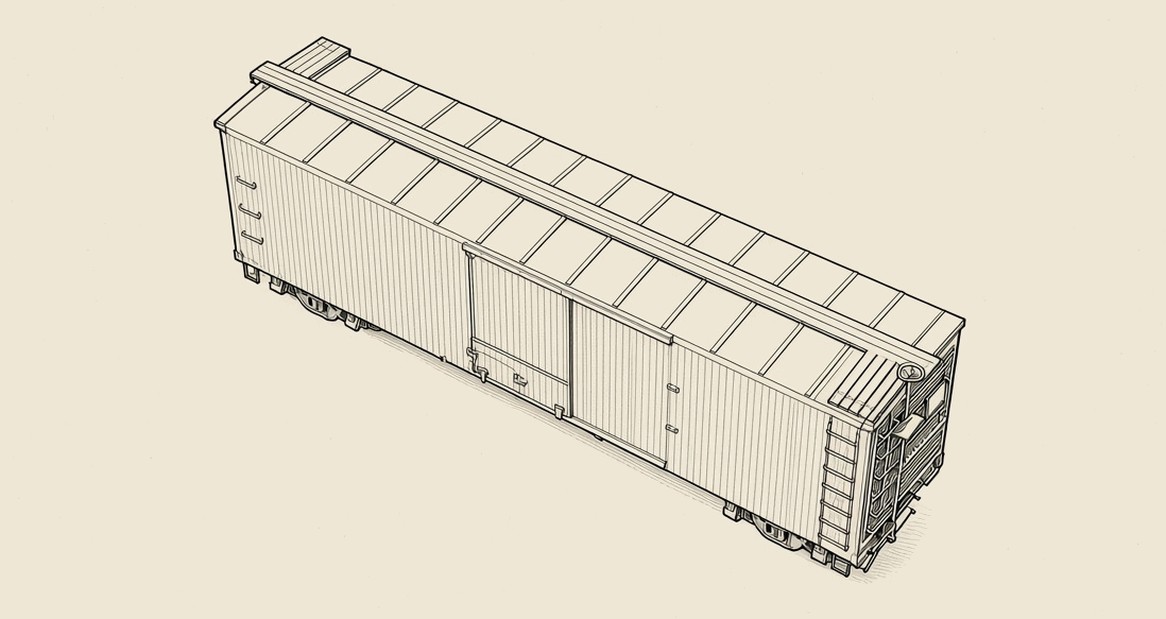
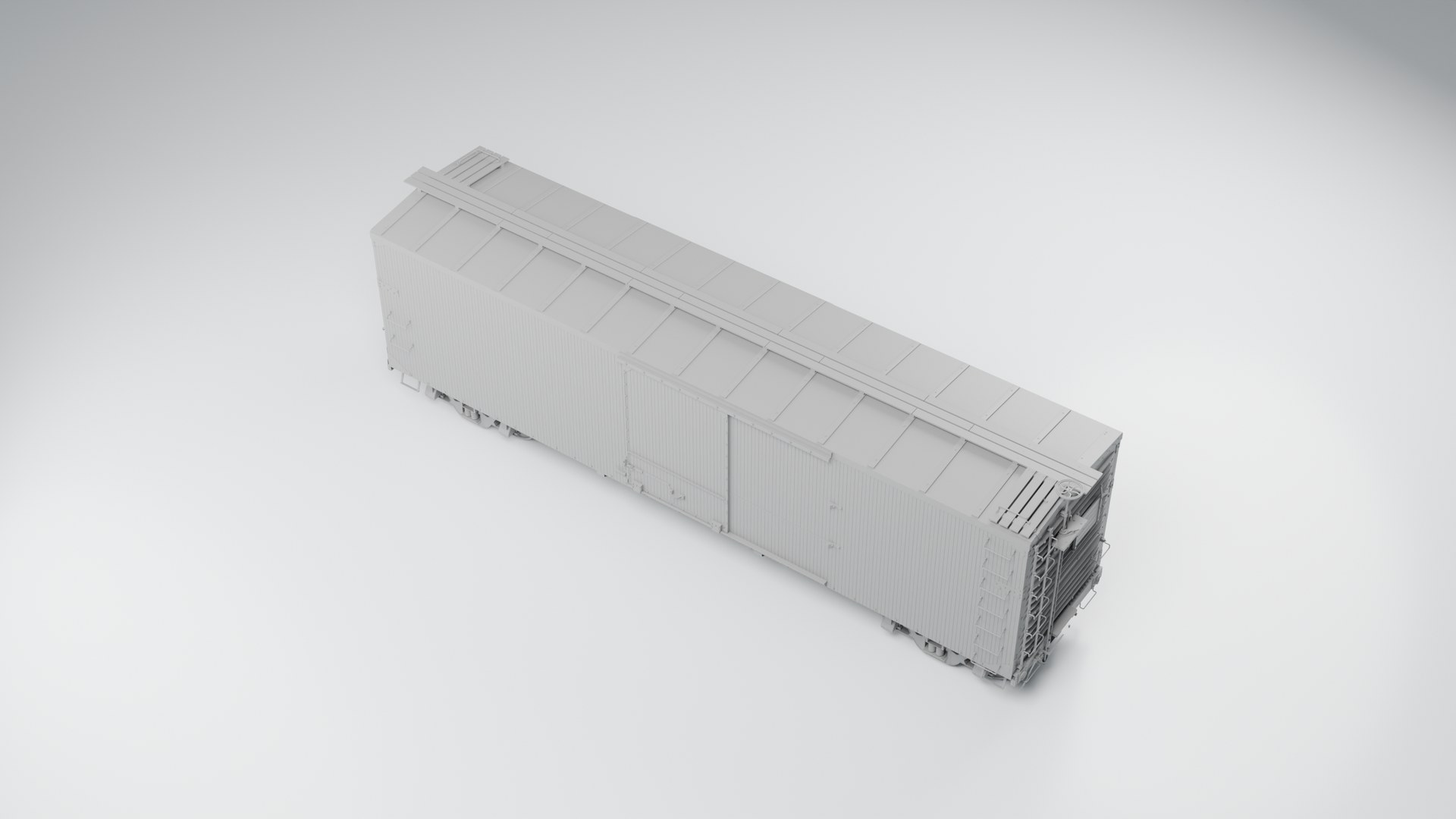
A double-sheathed 40-foot boxcar, developed from historic railroad references for the HO-scale workbench.
Our next project turns to the single-sheathed car’s companion design: a boxcar with smooth wood sides and its framing hidden between two layers of boards.
Like the single-sheathed car, the design dates to 1918, when the United States Railroad Administration issued standard freight-car drawings during federal control of the nation’s railroads. The double-sheathed boxcar was a 40-foot, 40-ton car with a steel underframe and wood framing, covered by vertical tongue-and-groove sheathing outside and a second layer of wood lining inside. Steel ends, an outside metal roof, and an underhung wood sliding door finished the car.
About 25,000 were ordered in 1918 and assigned to railroads across the country; published rosters list the Frisco, the Wabash, the Santa Fe, and the Rock Island among the larger owners. The Pennsylvania Railroad did not receive any of these cars, so a Pennsylvania modeler would have seen them as foreign-road cars in interchange. As built they carried K-type air brakes and a hand brake worked from one end by a vertical staff.
We’re developing a 40-foot HO model around what sets this car apart: the double wood sheathing, the steel frame beneath it, a wide sliding door, and the end and roof hardware that complete its profile. Like our first project, the model is being refined for resin printing and practical assembly.
Availability and final kit details will be posted here after the print and fit checks.
The way we work
Good miniature models begin with questions: how was it built, what makes it recognizable, and which details will hold up at 1:87?
Historic photographs and engineering references guide the proportions, structure, and hardware.
We preserve the shapes and relief that give a prototype its identity, while making the parts suitable for resin printing.
Physical prints show where details, clearances, and assembly need another pass before a model is ready.